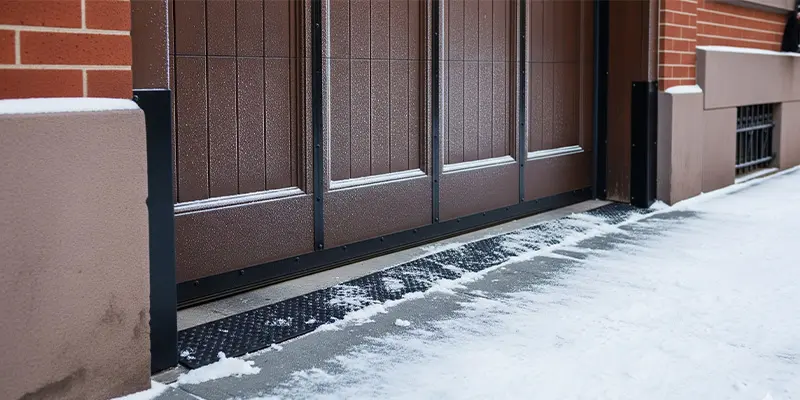

Brooklyn winters are a mixed bag of freezing rain, lake effect gusts, sidewalk salt, and surprise thaws. That cocktail is rough on garage doors. Metal shrinks, rubber hardens, electronics slow down, and salt quietly eats hardware. If your garage is attached to living space or sits under a room, winter problems also show up as drafty floors, noisy starts, or a door that refuses to budge on the coldest morning of the year. This guide explains how winter weather impacts every part of your garage door and what you can do right now to keep it reliable, safe, and quiet until spring.
Cold Air, Heavy Door: Why Your Opener Struggles
When temperature drops, steel panels and springs contract. That changes balance and increases rolling resistance. The opener senses the extra load and may stall or reverse. If the door moves a few inches then stops, do not keep hitting the button. First, pull the emergency release when the door is down and test lift manually. If it feels heavy or does not stay at mid height, the springs need adjustment by a professional. Understanding the basics of torsion vs extension systems makes troubleshooting easier, and you can learn the fundamentals in our spring explainer when you are ready.
Quick fix for cold mornings
-
Warm the space a little with a safe portable heater pointed away from the door.
-
Run the door by hand once to break friction, then reconnect the opener and try again.
Salt, Slush, and Rust: The Corrosion Triangle
Sidewalk salt and road brine ride in on tires and boots. When that brine evaporates it leaves a concentrated film that attacks steel coils, cables, and fasteners. The bottom panel suffers first, then hardware.
What to do
-
Keep a small bucket by the door and rinse the lower 12 inches of panels and hardware after storms.
-
Wipe dry to prevent ice. Touch up scratches with zinc-rich primer and exterior enamel.
-
Upgrade exposed fasteners to galvanized or stainless where possible.
If you notice orange streaks at seams or bubbling paint, address it now before pitting spreads across a panel.
Weatherstripping In Winter: Soft Seal vs Frozen Bond
Rubber bottom seals shrink and stiffen in the cold. If the driveway is wet at sunset and temps fall overnight, the bulb can freeze to the slab and the opener will yank hard on a stuck door. That can bend the top section or strip gears.
Prevention
-
Just before a deep freeze, run a thin line of food-grade silicone on the concrete where the seal sits so ice will not bond.
-
Replace flat or cracked bulbs and make sure the profile matches your slab height.
If you are choosing new seals and want to understand each profile’s tradeoffs, this detailed guide to types of garage door bottom seals will help you pick the right shape for Brooklyn sidewalks and thresholds.
Sensor Failures When It Is Dark At 4:30
Winter brings early sunsets and reflective puddles. Photo-eyes can be blinded by glare off ice or pushed out of alignment by a stray shovel. If the opener light blinks and the door will not close, wipe both lenses, ensure both LEDs are solid, and adjust the bracket a few millimeters. Keep them 4 to 6 inches off the floor to avoid slush spray.
The Right Lubricant For Cold Weather
Thick greases turn to taffy in January and make everything louder. Use a silicone or white lithium spray rated for garage doors. Apply a small burst to hinge pins, roller bearings, and torsion coils. Wipe off drips so grit does not stick. Never grease the inside of the tracks. Tracks should be clean and dry so sealed nylon rollers glide on their bearings.
For a deeper look at which products perform best in Northeast winters and where to apply them, check our cold climate guide to best garage door lubricant.
Insulation and Comfort When Rooms Sit Above the Garage
If your garage shares a wall or ceiling with living space, you feel winter at the thermostat. Hollow doors leak heat, and small gaps compound the problem.
Upgrades that pay back
-
Triple-layer polyurethane-insulated door for higher R-value and a stiffer, quieter panel.
-
Dual-lip side and top seals to close irregular brick openings common in brownstones.
-
Low-E insulated windows to admit daylight without the draft.
Pair these with a proper threshold ramp if the sidewalk slopes toward your bay. It helps the bulb seal make full contact and blocks meltwater from blowing under the panel.
Power Outages, Battery Backup, and Cold Electronics
Openers use circuit boards and capacitors that do not love cold snaps. You may notice slow starts or a dim display when the garage is unheated. A model with battery backup keeps you moving during outages that often follow coastal storms. Test your battery once a year by pulling the power cord and cycling the door twice.
Pro tip
-
If your opener uses a belt, inspect for stiffness or cracks after a severe cold spell and readjust belt tension to the manufacturer spec.
Ice, Snow, and The Frozen Bottom Seal
After a plow piles slush against your door, the bottom rubber can freeze to the apron. Do not run the opener if it is stuck. Release the trolley, gently break the seal free with a plastic scraper, and clear the line where the bulb meets the slab. A silicone wipe on the concrete helps prevent rebonding during the next freeze.
Winter Noise: Rattles, Squeaks, and Thunks
Cold metal shrinks and transmits vibration. Add rigid angle-iron hangers and the sound travels through party walls.
Quieting checklist
-
Replace steel rollers with sealed-bearing nylon.
-
Swap rigid opener hangers for rubber isolation brackets.
-
Confirm the opener rail is straight and supported near the header.
-
Lubricate hinge pins and spring coils sparingly, and retighten all hinge and track fasteners.
Rodents When It Gets Cold
As temperatures drop, mice look for warmth. Any daylight at the jambs or threshold is an invitation.
Block entry
-
Install fresh side and top seals and a taller bottom bulb if your slab has settled.
-
Store bird seed, pet food, and grass seed in sealed bins.
-
Keep the bay swept and dry so scent trails do not develop.
If you already hear scratching or find droppings, review best practices for keeping pests out of the garage and seal obvious entry points around conduit penetrations.
Safe Use In Snow Season
-
Always shovel a path wider than the door before you operate it. Packed snow acts like a curb that the bottom panel will strike and reverse against.
-
Keep the emergency release cord accessible. Show every driver in the household how to use it safely.
-
Test auto-reverse monthly with a 2 inch block on the floor. The door should reverse as soon as it contacts the block.
Winterization Checklist You Can Tape Near The Opener
Early November
-
Tighten hinge and track bolts.
-
Replace worn bottom and side seals.
-
Lube rollers, hinges, and torsion coils with cold rated spray.
December
-
Test balance with the opener disconnected. The door should stay at knee, waist, and shoulder height without drifting.
-
Clean photo-eyes and angle them slightly downward to reduce glare.
January
-
Rinse salt from the bottom panel and hardware after storms.
-
Confirm battery backup operates by unplugging the opener and cycling once.
February
-
Inspect for orange rust streaks, sand and touch up chips.
-
Review belt or chain tension and adjust to spec.
March
-
Schedule a pro tune up to reset spring torque for springtime temperature swings and check cable condition after a hard season.
When It Is Time To Call A Pro
If the door feels heavy, the opener strains, or you heard a loud bang and see a gap in the torsion spring, do not keep operating the system. A professional will safely balance springs, align tracks, set opener force and travel limits, and replace worn parts before they damage panels or motors. Same day winter service is available across Brooklyn so you are not stuck in the driveway during a snow squall.
Conclusion
Winter in New York magnifies every small weakness in a garage door system. The good news is that a few targeted habits and upgrades keep things smooth all season: the right lubricant, fresh weatherstripping, a clean track line, and a properly balanced spring set. Add battery backup and a quiet DC opener and you will glide in and out no matter what the forecast throws at your block.
Mr. Garage Door Repairman is here to winterize, repair, and upgrade garage doors across Brooklyn. From low headroom brownstone bays to modern townhouses, we keep the biggest moving part of your home working safely and quietly when the mercury drops.