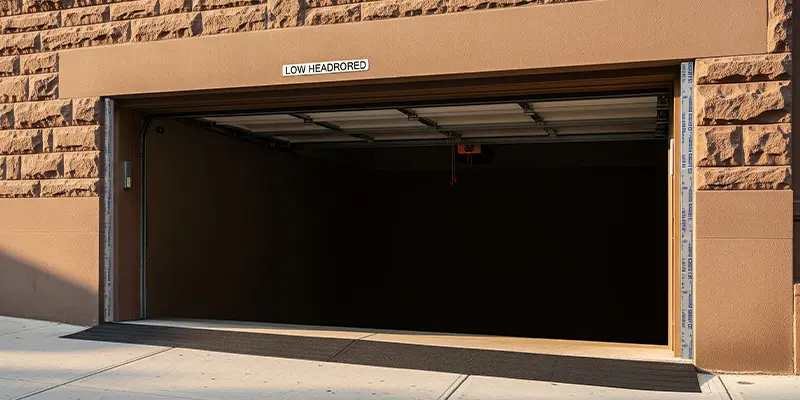

Brownstones are Brooklyn icons, but their masonry openings, stoops, and tight alleys can make garage doors tricky. From low headroom and out-of-square frames to street-level bumps and constant foot traffic, these buildings create unique stresses on tracks, springs, seals, and openers. This guide explains the most common brownstone garage door problems, how to diagnose them, and the smartest fixes that protect curb appeal, comfort, and security.
1) Low Headroom That Scrapes or Stalls
Symptoms: The top section rubs the header, the opener trolley hits a joist, or the door hesitates near fully open.
Why it happens: Older brownstones often have shorter lintels, exposed beams, or sprinkler lines running across the bay. Standard lift hardware assumes more vertical clearance than many brownstone garages provide.
Fixes
-
Install a low-headroom track kit that repositions the top rollers and changes the travel arc to clear the header.
-
Switch to a wall-mounted jackshaft opener that drives the torsion tube and removes the rail from the ceiling.
-
Add reinforcement struts to the top panel to prevent flexing when clearance is tight.
Pro tip: After hardware changes, recalibrate down-force and travel limits so the door stops cleanly without binding.
2) Out-of-Square Openings in Old Brick
Symptoms: The door seals on one side but gaps on the other, or you hear scraping at mid-travel.
Why it happens: Brick settles over decades, pulling jambs out of plumb.
Fixes
-
Use adjustable track brackets and shims to true up the track line even if the masonry opening is imperfect.
-
Upgrade to dual-lip perimeter seals that flex and fill irregular gaps.
-
If the frame is severely twisted, consider a new steel subframe anchored to sound masonry, then hang the door from that reference.
3) Street-Level Bumps, Water, and Rodents
Symptoms: Daylight under the door, rain blowing in from the street, puddles that soak stored items, evidence of mice.
Why it happens: Sloped sidewalks and uneven brownstone slabs create gaps at the threshold.
Fixes
-
Replace the bottom bulb with the right profile for your slab. A U-channel retainer allows quick swaps when a taller seal is needed.
-
Add a rubber threshold ramp bonded to the floor to create a higher, consistent contact surface.
-
Choose weatherstripping rated for freeze-thaw and UV.
For a deeper look at seal types and when to use each, see the guide to garage door bottom seals.
4) Noisy Operation in Shared Walls
Symptoms: Vibration through party walls, rattling that wakes the household, metallic screeching on cold mornings.
Why it happens: Rigid angle-iron hangers transmit motor vibration. Dry rollers and hinges amplify resonance in brick cavities.
Fixes
-
Swap the motor to a DC belt-drive and hang it with rubber isolation brackets.
-
Upgrade to sealed-bearing nylon rollers and commercial-grade hinges.
-
Lubricate hinges, roller stems, and torsion spring coils with a garage-rated silicone or lithium spray.
Pro tip: Do not grease the inside of the tracks. Tracks should be clean and dry so rollers glide on their bearings.
5) Photo-Eye Sensors That Refuse to Behave
Symptoms: The door reverses for no obvious reason, the opener light blinks, or mid-day sun trips the beam.
Why it happens: Narrow stoops and brick columns can misalign sensors by a few millimeters. Sun glare and reflective puddles can blind older photo-eyes.
Fixes
-
Mount metal sun shields or angle the sensors slightly downward.
-
Ensure both lenses are at the same height, typically 4 to 6 inches off the floor, and free from mortar dust.
-
Replace cracked or outdated sensors with modern, self-diagnosing units.
6) Springs Nearing the End of Their Cycle Life
Symptoms: The door feels heavy, opens a foot then stops, or the opener strains and hums.
Why it happens: Torsion and extension springs are rated for cycles. Urban use with frequent short trips can burn through cycles quickly.
Fixes
-
Have a pro check balance by disconnecting the opener and lifting halfway. The door should stay put.
-
Choose high-cycle springs sized correctly for your door’s weight and use.
For lifespan ranges and replacement timing, read how long garage door springs last.
7) Chipped Paint and Rust in Coastal Air
Symptoms: Bubbles under paint, orange streaks at panel seams, pitted hardware.
Why it happens: Salt-laden breezes and splashback from salted winter streets attack steel.
Fixes
-
Spot-sand to clean metal, prime with zinc-rich primer, then topcoat with an exterior enamel.
-
Upgrade to galvanized or stainless fasteners and use nylon rollers to reduce exposed steel.
-
Keep the bottom seal fresh to stop salt water wicking inside.
8) Short Driveways and Tight Turning Radiuses
Symptoms: Front bumper kisses the door, or you cannot open the door fully without blocking the sidewalk.
Fixes
-
Consider a high-lift conversion that raises the door closer to the ceiling before it rolls back.
-
Use smart controls and geofencing auto-close so the door closes swiftly once you pull into the bay.
-
For extremely shallow spaces, some owners opt for vertical-lift or bifold designs after code review.
9) Drafty, Uncomfortable Rooms Above the Garage
Symptoms: Cold floors in the parlor-level room, AC overworking in summer, musty smells.
Why it happens: Hollow-pan doors and tired seals leak air into living spaces.
Fixes
-
Replace with a triple-layer polyurethane-insulated door and dual-lip weatherstripping.
-
Add low-e insulated lites if you want daylight without the heat penalty.
-
Seal conduit penetrations and side jambs with backer rod and exterior-grade sealant.
10) Security Gaps at the Biggest Door in the House
Risks: Emergency-release fishing, pried top sections, and visibility through clear glass panes.
Fixes
-
Install a release-shield cover so a coat hanger cannot reach the latch.
-
Add a track deadbolt that drives a steel pin into the rail when the door is down.
-
Frost or obscure the glass lites to block line of sight to vehicles and tools.
-
Make sure your opener uses rolling-code remotes and enable two-factor authentication in the app.
Seasonal Maintenance Checklist for Brownstones
Every 3 months
-
Clean tracks, wipe sensors, and lubricate hinges, rollers, and spring coils.
-
Check perimeter seals for cracks or flattened sections.
Every 6 months
-
Tighten all hinge and track fasteners.
-
Test auto-reverse with a 2-inch block under the door.
Annually
-
Professional tune-up to check spring balance, cable condition, opener force settings, and safety compliance.
-
Inspect paint and touch up scratches before rust can start.
When to Repair vs Replace
Repair if the door is structurally sound, panels are straight, and you are addressing localized issues like seals, rollers, or sensors.
Replace if you have chronic binding from a twisted frame, widespread corrosion, delaminated panels, or an R-value below your comfort needs. A modern insulated door with correct hardware often pays back through comfort, quieter operation, and fewer service calls.
Planning Tips Specific to Brownstones
-
Measure the clear opening and the backroom to the first obstruction, not just the bay width. If you are unsure about fit, review standard sizes and how custom widths are handled before ordering.
-
If you plan new glass lites, confirm pattern and muntin style with any landmark or block association guidelines to preserve historic character.
-
Think about jackshaft openers whenever headroom is under 10 inches or you have beams across the bay.
Conclusion
Brooklyn brownstones ask a lot from garage doors. Low ceilings, irregular brick, street splash, and constant use magnify small issues until they become daily frustrations. With the right combination of low-headroom hardware, balanced springs, correct seals, and a quiet, secure opener, you can protect your investment and keep the biggest moving part of your home working smoothly for years.